 9 May, 2024
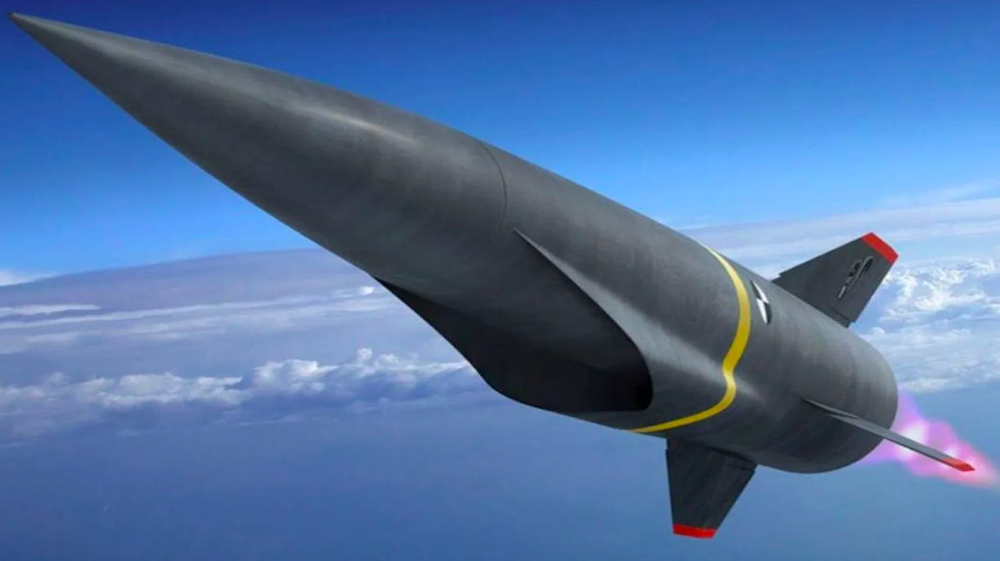
The world is witnessing a new era in warfare, fueled by the blistering speed of hypersonic weapons. These futuristic projectiles, capable of exceeding Mach 5 (over 3,800 miles per hour), are rapidly transitioning from science fiction to strategic reality. This high-stakes competition has ignited a global arms race, with the United States, China, and Russia locked in a fierce struggle to develop and deploy the next generation of hypersonic weaponry.
According to a 2022 report by the Congressional Research Service, the US Department of Defense has invested billions of dollars in hypersonic research programs. China, meanwhile, has made significant strides in recent years, with a reported hypersonic test flight in 2021 demonstrating a concerning level of technological advancement. Russia, a longtime player in hypersonics, boasts operational hypersonic glide vehicles according to their official pronouncements.
The potential consequences of this hypersonic arms race are stark. Reaction times for defending against these weapons could be drastically reduced, potentially leading to miscalculations and unintended escalations during international crises. Traditional missile defense systems, designed for slower ballistic missiles, may struggle to counter the speed and maneuverability of hypersonic weapons. As the hypersonic arms race heats up, understanding its implications and exploring avenues for arms control are critical steps towards ensuring a more stable and secure future.
Hypersonic weapons can be broadly categorized into two types: hypersonic cruise missiles (HCMs) and hypersonic glide vehicles (HGVs). HCMs are powered by scramjets, a complex engine design that allows for sustained hypersonic flight within the atmosphere. HGVs, on the other hand, are launched from a booster rocket and then glide towards their target at hypersonic speeds. Both types offer distinct advantages over traditional ballistic missiles.
Speed: Hypersonic weapons significantly reduce the time it takes to reach a target. Traditional ballistic missiles follow a predictable, high-altitude trajectory, making them vulnerable to interception. Hypersonic weapons, however, can travel at much lower altitudes and maneuver during flight, making them more challenging to track and defend against. This compressed timeframe leaves adversaries with less time to react and potentially launch counter-strikes.
Maneuverability: Unlike ballistic missiles, HGVs possess a degree of maneuverability, allowing them to adjust their course during flight. This capability makes them even more difficult to predict and intercept, further complicating defensive strategies.
Penetration: Hypersonic weapons have the potential to bypass existing missile defense systems designed for ballistic missiles. These systems are optimized to track and shoot down high-altitude, predictable trajectories. Hypersonic weapons’ lower altitude and maneuverability could render these defenses ineffective, posing a significant challenge to current deterrence strategies.
The United States, China, and Russia are all actively pursuing hypersonic weapons development. Each nation has its own approach and level of progress, but all three recognize the potential game-changing nature of this technology.
The United States: The US military has been researching hypersonic technology for decades. However, development has faced setbacks and delays. Currently, the US Army and Navy are both pursuing hypersonic weapon programs. The Army’s Long-Range Hypersonic Weapon (LRHW) is a land-based hypersonic glide vehicle launched from a truck-mounted system. The Navy’s Intermediate-Range Conventional Prompt Response (IRCPR) is a sea-launched hypersonic weapon designed for deployment on surface warships. Both programs are expected to reach initial operational capability in the mid-2020s.
China: China has made significant progress in hypersonic weapon development in recent years. In 2021, China reportedly conducted a test of a hypersonic glide vehicle that circumnavigated the globe before striking its target. This test raised concerns within the US intelligence community about the pace and sophistication of China’s hypersonic program. While details remain classified, China is believed to be developing several hypersonic weapon systems, including air-launched and ground-launched variants.
Russia: Russia has also actively pursued hypersonic weapons development. Russia claims to have already deployed hypersonic glide vehicles, known as Avangard, onto operational missiles. While the exact capabilities of these weapons remain unknown, Russia’s declared hypersonic advancements have further fueled the arms race.
The potential consequences of a hypersonic arms race are not theoretical. They represent a real and present danger to global security. Addressing these challenges requires a proactive approach, combining transparency, dialogue, and innovative arms control measures to ensure this powerful technology doesn’t usher in a new era of instability and conflict.
Given the potential risks associated with a hypersonic arms race, exploring avenues for arms control is critical. Here are some potential approaches:
Transparency and Dialogue: Increased transparency and dialogue between major powers regarding their hypersonic programs and their intended use could help mitigate the risks of a hypersonic arms race in several ways.
Reduced Miscalculation: By openly discussing the capabilities and limitations of their hypersonic weapons, nations can help to dispel ambiguity and misunderstandings that could lead to miscalculations during a crisis. Knowing the nature of the threat allows for a more measured response, reducing the risk of accidental escalation.
Building Trust: Regular communication and information sharing fosters trust and confidence between adversaries. When nations understand each other’s hypersonic capabilities and intentions, they are less likely to view these weapons as a direct threat, potentially easing tensions and reducing the pressure to deploy them first.
Developing Norms of Behavior: Through dialogue, major powers can begin to establish norms of responsible behavior regarding hypersonic weapons. This might include limitations on testing, deployment locations, or targeting doctrines. While formal treaties may be difficult in the near future, establishing shared norms can serve as a preliminary step towards more comprehensive arms control agreements.
Verification Challenges: Transparency can also contribute to addressing the challenge of verifying compliance with potential future arms control treaties. Open discussions about hypersonic weapon systems and their operation could help develop verification protocols, making arms control agreements more feasible and enforceable.
Challenges of Transparency: It is important to acknowledge the challenges associated with transparency. Nations may be reluctant to reveal sensitive details about their hypersonic programs, fearing a loss of technological advantage. Additionally, verifying compliance with any agreements would require intrusive monitoring measures, which could be met with resistance.
Building a Cooperative Framework: Despite these challenges, fostering transparency and dialogue remains a crucial step in building a cooperative framework for managing hypersonic weapons development. This framework can pave the way for future arms control treaties that address the unique challenges posed by this new technology.
While transparency and dialogue are crucial starting points, additional arms control measures can further mitigate the risks associated with the hypersonic arms race. Here’s a deeper look at some potential options:
The road towards a more stable and secure environment regarding hypersonic weapons will undoubtedly be complex. However, by pursuing a combination of these measures, the international community can navigate this new technological frontier with greater responsibility and cooperation. By fostering transparency, engaging in constructive dialogue, and exploring innovative arms control measures, nations can chart a course towards a future where hypersonic weapons do not become a catalyst for conflict but rather a force for peace and stability.
While the hypersonic arms race raises significant security concerns, it also presents potential business opportunities across various sectors. Here’s a breakdown of some key areas:
The hypersonic arms race presents a stark challenge to the international community. This high-speed race, fueled by national security concerns and geopolitical competition, has the potential to destabilize the delicate balance of power and dramatically alter the nature of warfare. Yet, amidst these concerns lies a glimmer of hope. By embracing a multi-pronged approach that prioritizes responsible development and international cooperation, nations can navigate this new technological frontier and mitigate the risks associated with hypersonic weapons.
The Stakes are High: The consequences of a runaway hypersonic arms race are dire. Reduced reaction times could lead to miscalculations and accidental escalations, potentially triggering devastating conflicts based on misunderstandings. The effectiveness of traditional deterrence strategies could be eroded, potentially leading to a more precarious security landscape. The potential for proliferation of these weapons to additional countries further complicates the equation, creating new flashpoints and increasing the risk of regional instability.
A Call for Responsible Leadership: Navigating this complex landscape requires responsible leadership from major powers. Transparency is a critical first step. Open communication regarding hypersonic programs, their capabilities, and their intended use can help to alleviate suspicion and build trust between nations. Regular dialogue, both bilateral and multilateral, can foster understanding and create space for the development of shared norms and principles for responsible hypersonic development.
Beyond Talk: Exploring Arms Control Measures: While dialogue is crucial, it must be accompanied by concrete actions. Exploring innovative arms control measures is essential to slow the pace of the race and manage the risks associated with these weapons. Moratoriums on testing or deployment, even if temporary, can provide valuable breathing room for negotiation. Negotiating limitations on the range or capabilities of hypersonic weapons can help to de-escalate tensions and reduce the destabilizing potential of these technologies. International cooperation on developing advanced missile defense systems, while a long-term endeavor, offers the potential to neutralize the threat posed by hypersonic weapons and foster trust between nations.
The Path to a More Secure Future: The road ahead will not be easy. There will be challenges in achieving consensus, and verification of compliance with potential arms control treaties will require innovative solutions. However, the potential benefits of a cooperative approach are immense. By working together, nations can ensure that hypersonic weapons do not become harbingers of conflict but rather remain tools for deterrence and stability within a defined framework of responsible development and international oversight.
The future of hypersonic weapons remains uncertain. However, by prioritizing responsible leadership, fostering transparency and dialogue, and exploring innovative arms control measures, the international community can navigate this new technological frontier and build a more secure and stable world for generations to come.