 23 Nov, 2024
Bridging Economies: Decoding India-Sri Lanka Trade and Investment Dynamics
Sri Lanka’s Economic Upheaval and the Importance of Strategic Partnerships
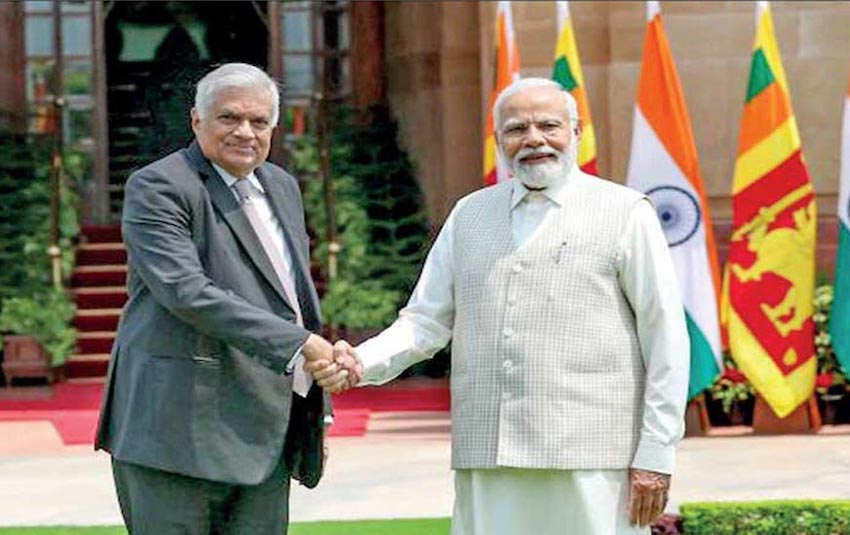
Sri Lanka’s recent economic upheaval has underscored the necessity of robust partnerships and strategic regional alliances to navigate crises and foster sustainable recovery. The island nation faced an unprecedented economic crisis, marked by depleted foreign reserves, soaring inflation, and severe disruptions in basic supplies of fuel, food, and medicines. The situation not only destabilized its domestic economy but also created ripple effects across the region. In this context, India emerged as a steadfast partner, playing a critical role in Sri Lanka’s recovery journey.
India’s engagement with Sri Lanka is rooted in a deep historical, cultural, and geographical connection. The partnership between the two nations exemplifies India’s “Neighbourhood First” policy, which prioritizes regional stability and cooperation. India’s role as the first bilateral creditor to provide financial assurances to the International Monetary Fund (IMF) for Sri Lanka’s bailout reflects a commitment to immediate crisis management and long-term development. Beyond extending financial aid amounting to $4 billion in credit lines and currency swaps, India has actively worked to bolster key sectors in Sri Lanka, including energy, tourism, infrastructure, and maritime security.
The partnership is not merely economic but also strategic. Sri Lanka’s position in the Indian Ocean makes it pivotal to India’s security and maritime interests, especially in countering the influence of external powers in the region. By fostering this bilateral relationship, India not only supports Sri Lanka’s recovery but also strengthens regional resilience in the face of geopolitical challenges. This collaboration underscores the importance of economic partnerships in addressing shared challenges and promoting mutual growth, offering a model for cooperation in a rapidly globalizing world.
As both nations deepen their ties, their relationship illustrates how shared efforts can drive recovery, innovation, and sustainability. From economic agreements and trade facilitation to environmental initiatives and digital transformation, the India-Sri Lanka alliance is charting a course for inclusive and sustainable progress, setting a benchmark for partnerships in the Global South.
India as a Lifeline During Sri Lanka’s Economic Crisis
- Financial Assistance: India extended a $4 billion financial package to Sri Lanka, which included a line of credit for importing essential goods and a currency swap arrangement to stabilize Sri Lanka’s dwindling foreign reserves. This support was instrumental in easing immediate economic hardships.
- Food and Medicine Supplies: As a gesture of solidarity, India supplied thousands of tons of rice, essential medicines, and other humanitarian aid. This assistance not only addressed urgent needs but also underscored India’s commitment to its “Neighborhood First” policy.
Strengthening Economic Ties
- Increased Trade Volume: India remained Sri Lanka’s largest trading partner, with bilateral trade exceeding $5 billion. Key exports from India included petroleum products, machinery, and pharmaceuticals, while Sri Lanka exported textiles, tea, and spices to India.
- Diversification of Trade: Efforts to diversify trade have gained momentum. Both nations are exploring new sectors such as information technology, renewable energy, and logistics to broaden their economic engagement.
Indian Investments in Sri Lanka
- Strategic Investments: Indian firms have been active in critical sectors, including energy, infrastructure, and tourism. These investments are seen as pivotal in revitalizing Sri Lanka’s economy and creating employment opportunities.
- Port Development: Indian companies, such as the Adani Group, have been involved in the development of key Sri Lankan ports, including the West Container Terminal at Colombo Port. This development enhances connectivity and boosts Sri Lanka’s position as a maritime hub in the Indian Ocean region.
Cultural Exchange and People-to-People Contacts
- Educational Exchanges: Thousands of Sri Lankan students pursued higher education in India, benefiting from scholarships and world-class academic institutions. India’s support in building educational infrastructure in Sri Lanka has also been noteworthy.
- Cultural Festivals: Jointly organized cultural festivals and events celebrated the shared heritage of the two nations, further deepening mutual understanding and appreciation.
Security Cooperation
- Maritime Security: Collaborative efforts have focused on securing the Indian Ocean from threats like piracy, illegal fishing, and smuggling. Regular naval exercises and information-sharing mechanisms have been established to enhance maritime safety.
- Counter-Terrorism: Recognizing the transnational nature of terrorism, both nations have worked closely to counter terrorism and organized crime. Intelligence sharing and joint training programs for law enforcement agencies have been a cornerstone of this cooperation.
Renewable Energy Partnership
- Joint Ventures: Indian companies have initiated solar and wind power projects in Sri Lanka to help the country transition to greener energy solutions.
- Energy Security: The partnership aims to reduce Sri Lanka’s dependency on expensive fossil fuels by integrating renewable energy sources, which also align with global sustainability goals.
Digital Connectivity
- Digital India Initiative: Sri Lanka has drawn lessons from India’s successful Digital India initiative, particularly in areas like digital payments and e-governance.
- Collaborative Projects: Joint projects to enhance digital infrastructure, including fiber-optic connectivity and e-health services, have been initiated to boost Sri Lanka’s digital ecosystem.
Tourism Cooperation
- Promoting Tourism: Both countries have worked together to promote cultural and medical tourism. Sri Lanka has positioned itself as a preferred destination for Indian travelers, while India has attracted Sri Lankan tourists for wellness and pilgrimage tours.
- Joint Marketing Campaigns: Collaborative marketing initiatives have been launched to highlight shared heritage sites like Ramayana trails, Buddhist circuits, and scenic landscapes, attracting global tourists.
Capacity Building and Skill Development
- Training Programs: Indian institutions have provided training to Sri Lankan officials and professionals in various fields, including healthcare, governance, and IT.
- Skill Development Initiatives: Collaborative programs to enhance workforce skills in emerging industries like artificial intelligence, renewable energy, and logistics have laid the foundation for long-term economic collaboration.
Geopolitical Significance
- Balancing Act: India has carefully navigated its relationship with Sri Lanka while addressing the influence of other global powers in the region, ensuring a balanced and mutually respectful partnership.
- Strategic Partnership: The partnership between India and Sri Lanka extends beyond economics, contributing to peace, prosperity, and security in the Indian Ocean region.
The India-Sri Lanka trade and investment relationship stands as a testament to the transformative power of bilateral cooperation. Over the past year, this partnership has grown stronger, addressing immediate challenges while laying the groundwork for long-term development and regional stability. India’s unwavering support during Sri Lanka’s economic crisis, both financial and strategic, reflects its commitment to fostering a stable and prosperous South Asia. This partnership is not limited to aid and trade but extends to sustainable practices, capacity building, and technological innovation, ensuring that both nations thrive in an interconnected global economy.
The opportunities for collaboration are immense and diverse. From expanding infrastructure development to enhancing maritime security and leveraging digital technologies, the India-Sri Lanka partnership is poised to unlock untapped potential. India’s expertise in sectors like renewable energy, digital connectivity, and tourism can significantly complement Sri Lanka’s growth aspirations, while shared initiatives in climate resilience and sustainable resource management underscore the commitment to a greener future.
At its core, this partnership is about more than just economic gains; it is about creating a framework for mutual growth that prioritizes shared prosperity and resilience. Sri Lanka’s strategic location in the Indian Ocean, coupled with India’s growing global influence, positions this relationship as a cornerstone for regional security and economic integration. Collaborative efforts in addressing regional challenges, such as climate change, marine biodiversity conservation, and disaster risk reduction, further amplify its significance.
As India and Sri Lanka continue to deepen their ties, their evolving relationship offers a model of how nations can work together to overcome adversity and create opportunities for their people. Through shared vision, sustained efforts, and a focus on innovation, both countries can redefine their partnership, setting an example of regional cooperation that contributes to global progress. In this journey, the India-Sri Lanka partnership not only strengthens their bilateral relationship but also provides hope and direction for collaborative growth in an increasingly interconnected world.